
Most people only learn about “maintenance categories” when something at home starts acting up. A dripping tap, a patch of mould in the bathroom, or that familiar Perth special — a leak that shows up just after the first winter storm. The truth is, all homes fall into the same rhythm: a mix of little jobs, occasional surprises, and the once-in-a-while fixes you can’t ignore.
If you’ve ever heard terms like routine maintenance or preventative maintenance and wondered what they actually mean in real life, here’s the simple version — the one that makes sense for everyday Perth homeowners, not engineers.
The Four Types of Maintenance (Explained Normally)
Let’s skip the jargon. Every job around the house fits into one of these four buckets, whether you realise it or not.
Routine maintenance
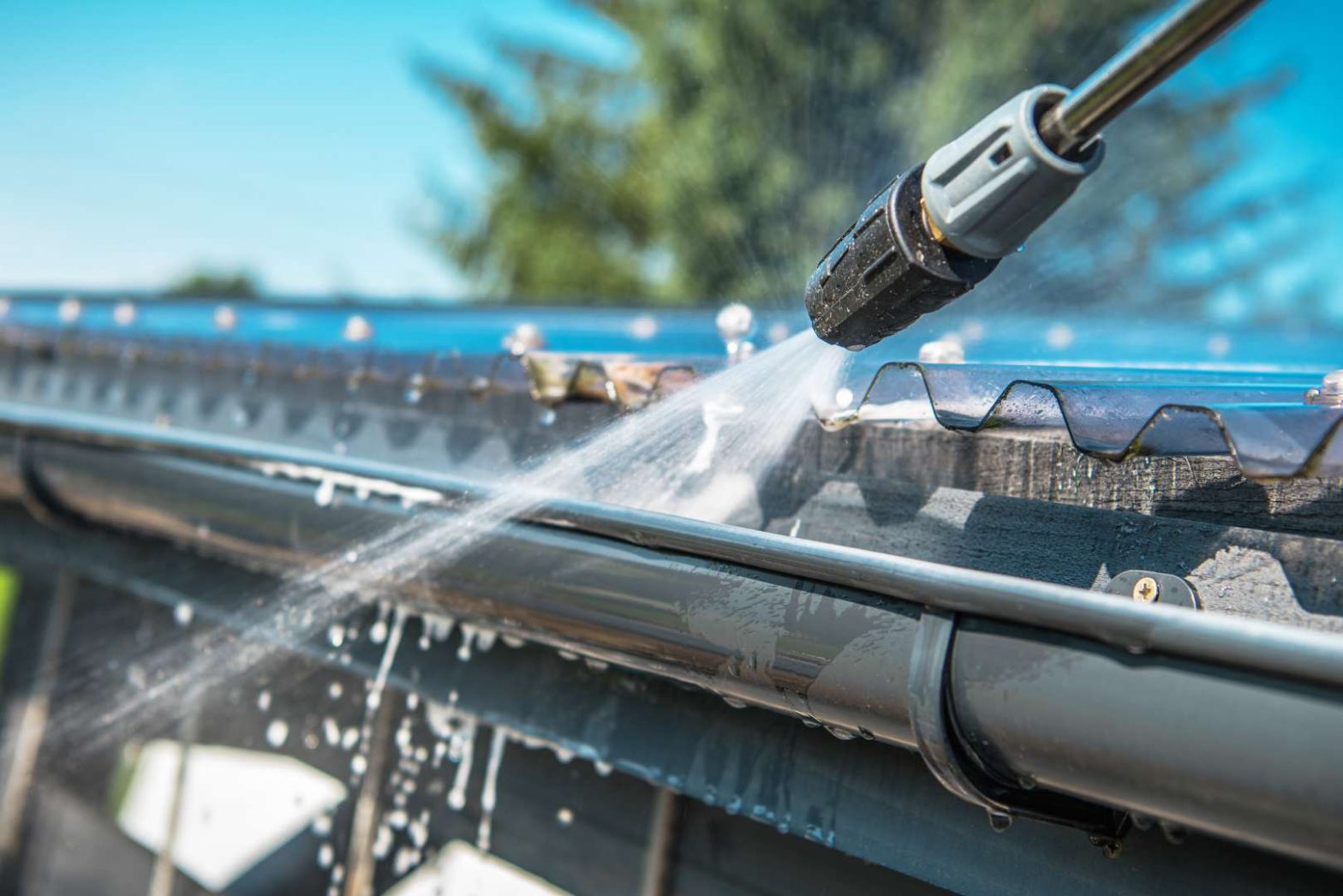
This is the boring but essential stuff — sweeping gutters before winter, trimming back plants that creep up the walls, wiping mould off wet areas, checking smoke alarms, clearing out drains. None of this feels urgent, which is exactly why it gets forgotten. But skipping routine jobs is how bigger problems start.
Preventative maintenance
This is the clever category. It’s the stuff you do before things go wrong: resealing a shower, servicing the air-con, repainting exposed timber, checking the roof for cracks, replacing worn-out silicone. These jobs often look optional, right until you’re staring at a repair bill three times the size because the early warning signs were ignored.
Corrective maintenance
This is when something actually breaks. A leaking tap, a fence post that’s started to wobble, a door that no longer closes properly, a blown fitting, a cracked tile — the usual suspects. Most houses rack up a few of these each year, no matter how well they’re looked after.
Emergency maintenance
These ones don’t give you much choice: burst pipes, electrical faults, roof leaks after a storm, flooding from blocked gutters, anything that risks safety or major damage if you leave it. Emergency work is usually the most expensive, which is why staying on top of the first two categories matters so much.
If all four feel like a lot to juggle, that’s exactly why many people lean on scheduled property maintenance services to keep their home running smoothly.
How These Apply to Real Perth Houses
Perth homes cop a strange mix of conditions: hot sun, salty air, stormy winters, and sandy soil that shifts just enough to annoy anything built on top of it. That’s why small issues tend to snowball here.
A few examples Perth locals know too well:
- Reticulation spraying against timber or Colorbond fences for years
- Gutters overflowing because they were last cleaned “sometime in the past”
- Roof screws loosening in summer and leaking in winter
- Bathroom moisture creeping into corners where the seal has worn away
- Doors sticking because the frame’s shifted with the seasons
None of these start as emergencies. They become emergencies when they’ve been ignored.
Maintenance Jobs Everyone Forgets (But Shouldn’t)
There are a few little jobs almost no one stays on top of:
- Cleaning the air-con filters
- Inspecting roof flashings before winter
- Lubricating window tracks
- Checking for soft spots in wet areas
- Making sure external taps aren’t dripping into foundations
- Re-sealing showers and sinks long before tiles start lifting
Most take less than ten minutes, but they prevent some of the most expensive repairs.
When To Call a Professional vs When To DIY
Some jobs are fine to handle yourself. Tightening a hinge, replacing a flyscreen, cleaning gutters (if you’re comfortable on a ladder).
But anything involving electrical work, major leaks, roofing, structural issues, or anything where you can’t tell what’s causing the problem is better handed to someone experienced. A misdiagnosed leak or a poorly repaired roof tile can cost a lot more later.
If you’d rather avoid juggling all four categories yourself, ongoing maintenance visits every few months can keep the house in good shape without you thinking about it.
Why These Four Categories Matter
Homes don’t fall apart overnight. They decline slowly and quietly in the background — a loose tile here, a soft bit of timber there, a gutter that overflows just once. By the time someone notices the real damage, the problem has usually been developing for months.
Routine and preventative work costs the least.
Emergency work costs the most.
Most people want to avoid the fourth category entirely — and the best way to do that is by not skipping the first two.
Related FAQs
How often should a home be checked over?
Once a year is good. Twice a year — before summer and winter — is ideal in Perth.
What’s the #1 most forgotten maintenance job?
Gutters. Easily. Most roof leaks we see start with blocked or poorly pitched gutters.
Is a maintenance service actually worth it?
If you want fewer surprises and fewer emergencies, yes — it’s usually cheaper than paying for major repairs later.